Brief
Turn a fictional twelve-seat concept into a convincing portfolio piece, preserving the restaurant's immersion while making GCR Studio's authorship verifiable.
OMAKASE explores how narrative, interface and operations can form one coherent hospitality experience — from the opening image to the booking flow.
View the experience →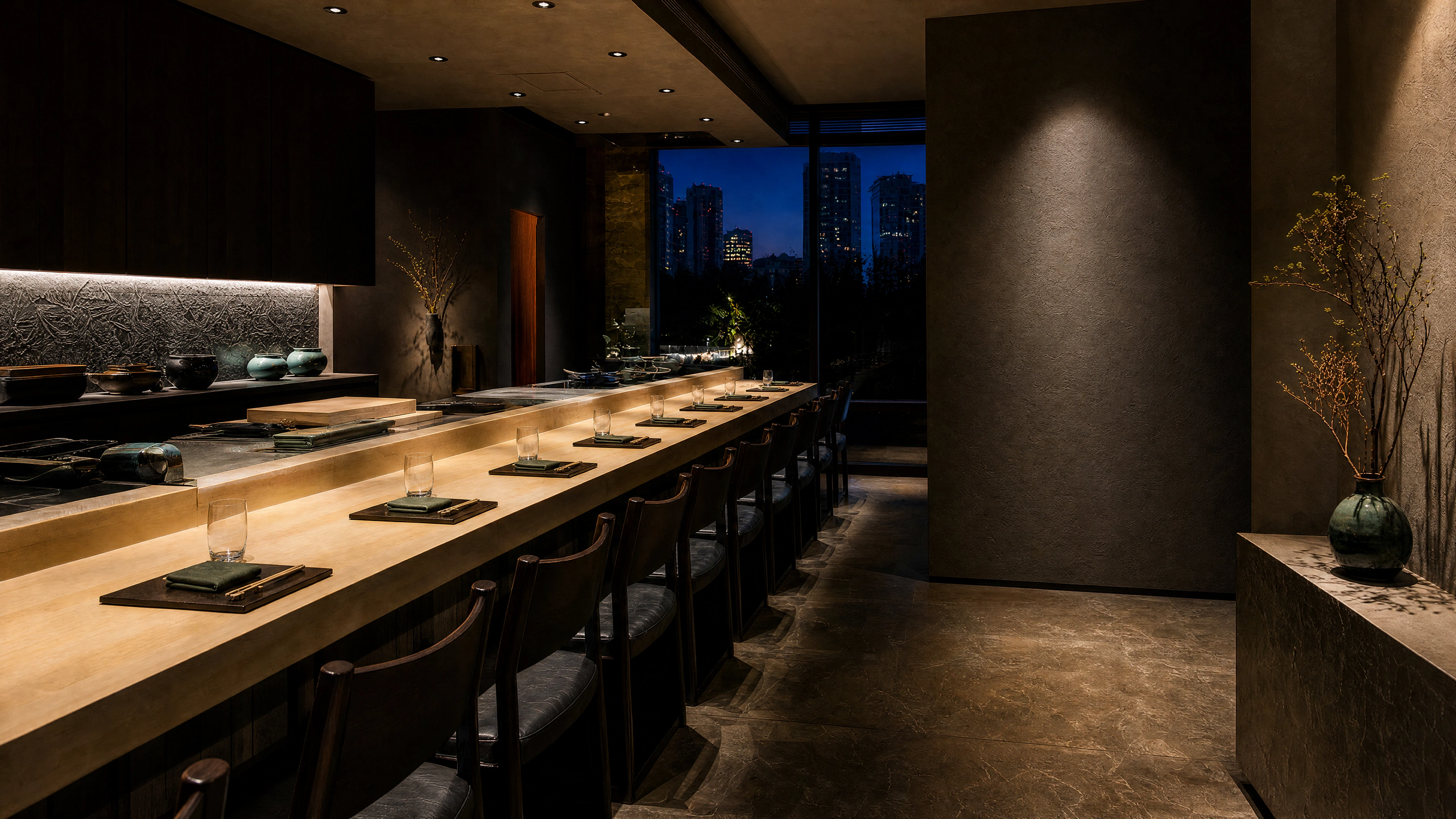
THE CHALLENGE
The project had to feel specific and inhabitable without copying existing restaurants, inventing awards or leaning on decorative Japanese symbols. Credibility comes from place, rhythm, service and operational detail.
Turn a fictional twelve-seat concept into a convincing portfolio piece, preserving the restaurant's immersion while making GCR Studio's authorship verifiable.
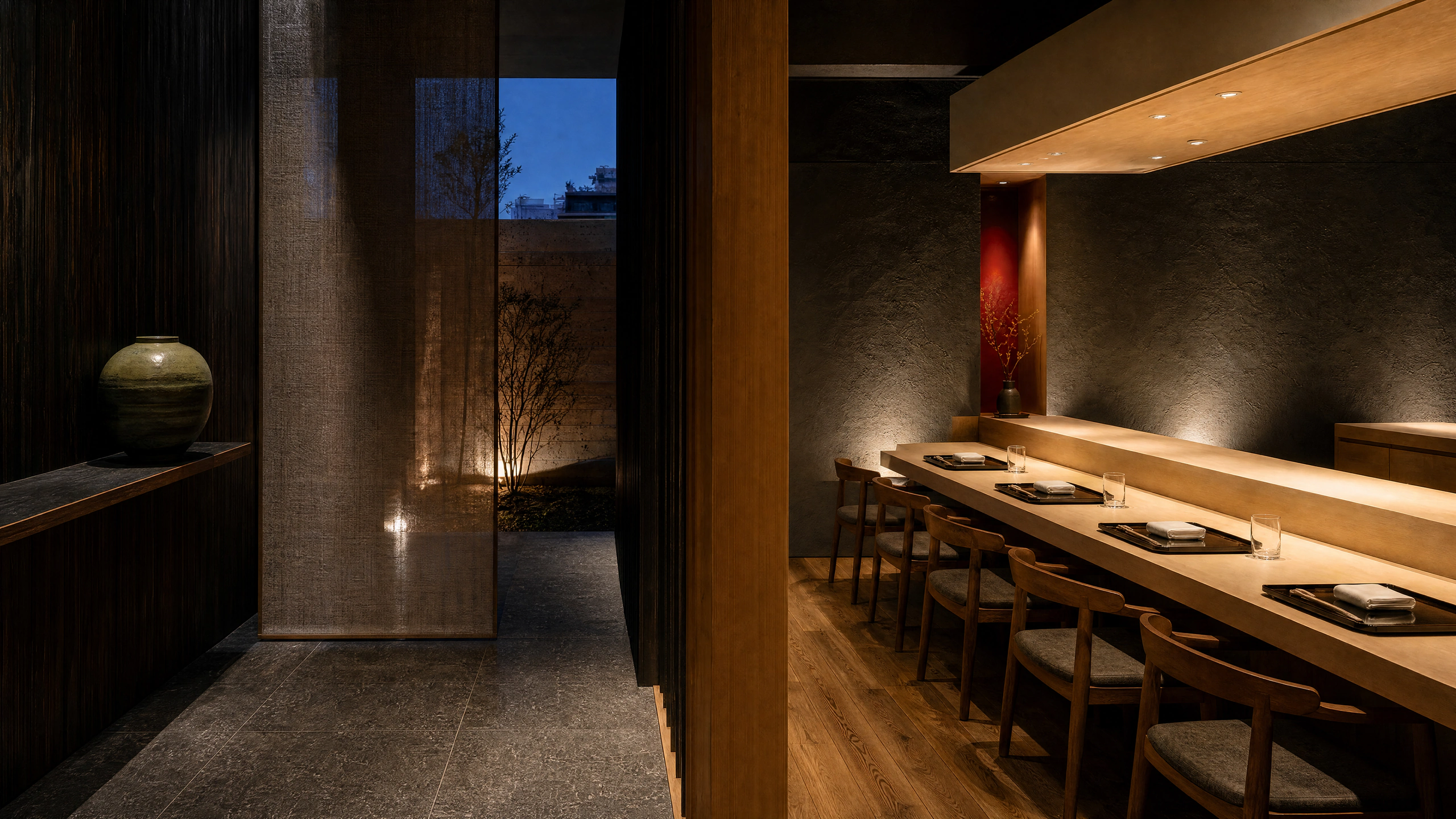
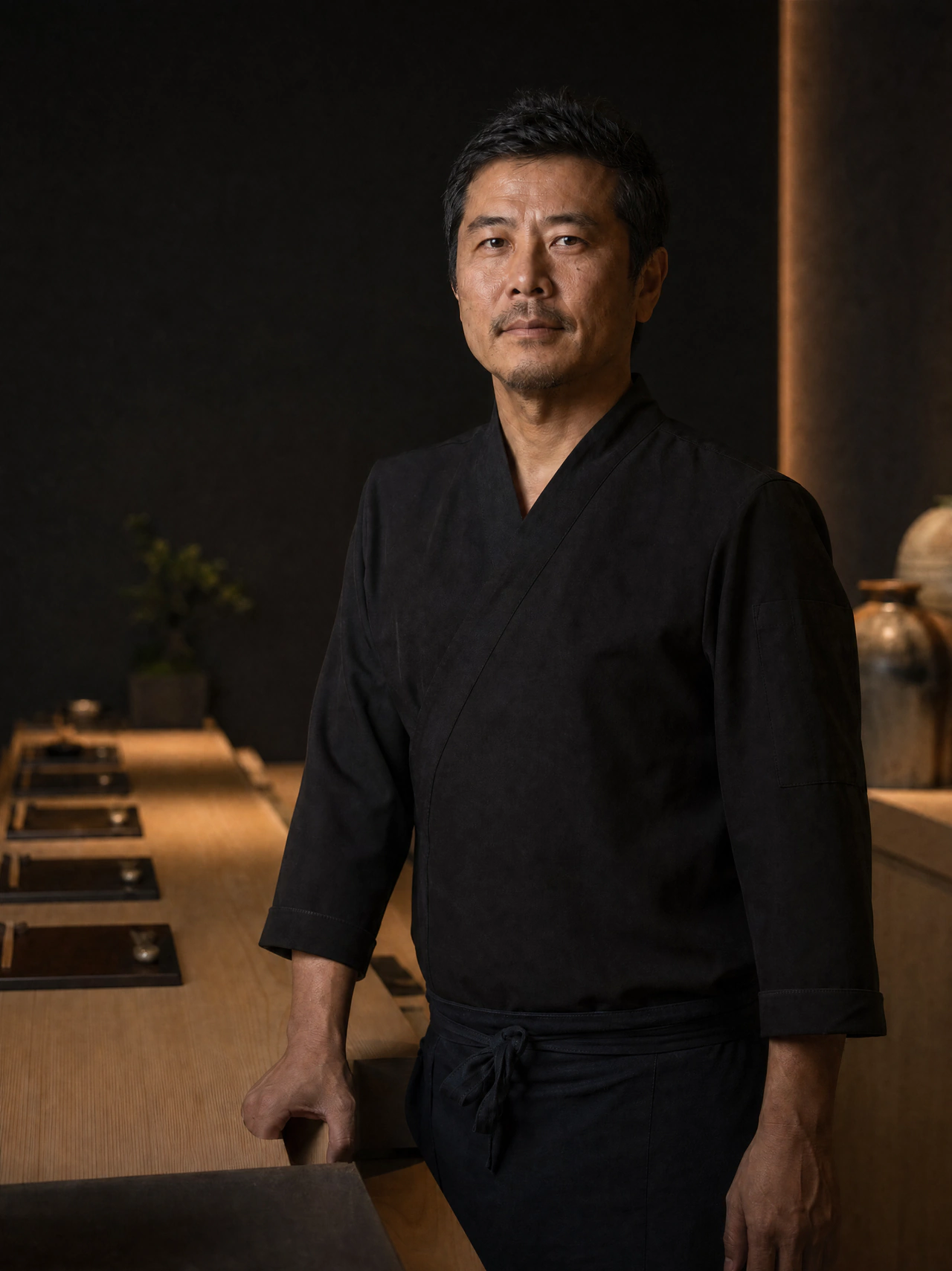
Sumi, rice paper, lacquer and mineral green organize temperature and contrast. Photography moves between place, person, process and plate, with tungsten light and dense shadow.
The homepage was edited into seven moments. The complete menu, hours, location and policies live on dedicated pages, each one click away.
A native dialog guides one to six guests through six steps, limits dates to the next thirty days and states from the opening screen that it is a local demonstration.
Manrope carries navigation and operational information; Newsreader owns editorial moments. Three display scales and contextual spacing keep chapters from competing at the same volume.
Visible focus, a native dialog, keyboard navigation, reduced motion and content that remains available without animation JavaScript are built into the system.
Validation covers five viewports, both languages and the full local flow. Accessibility, CLS, overflow and performance are re-measured for every delivery; no result is presented as an award.
VISUAL SYSTEM
The restaurant, chef and address are fictional. No real reservation, payment, award or testimonial is presented.
THE EXPERIENCE IN USE
Browse the experience as a guest, read the full menu or test the demonstrative booking flow.